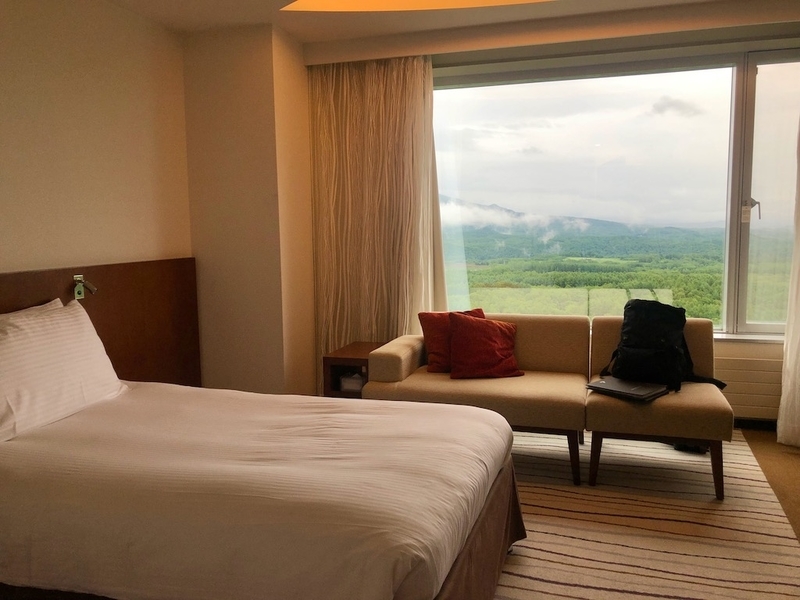
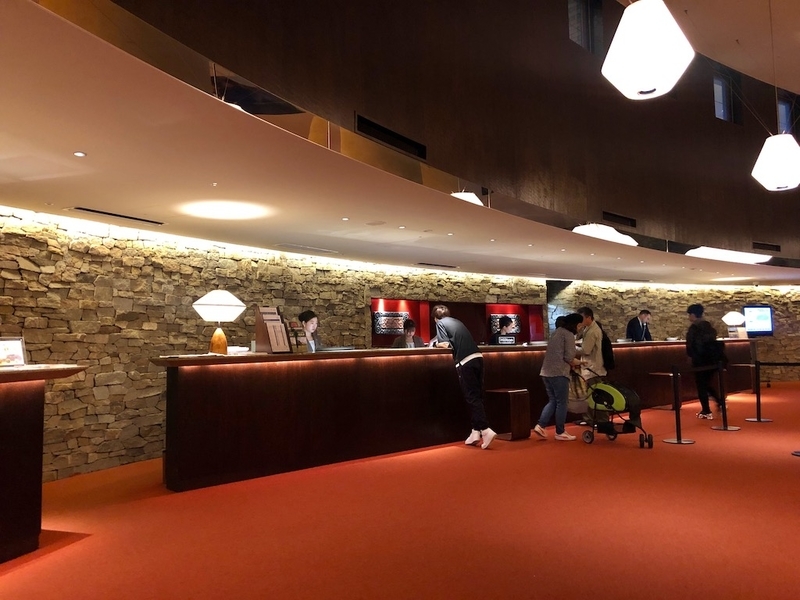
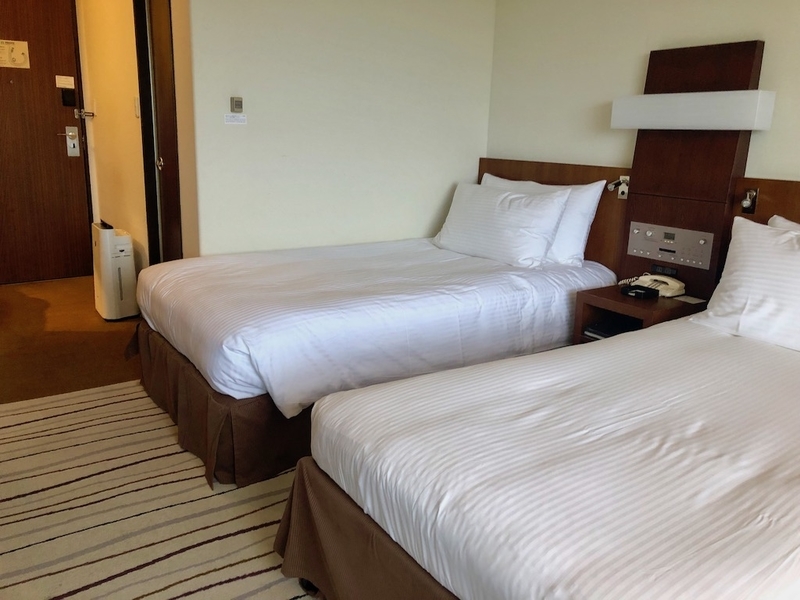
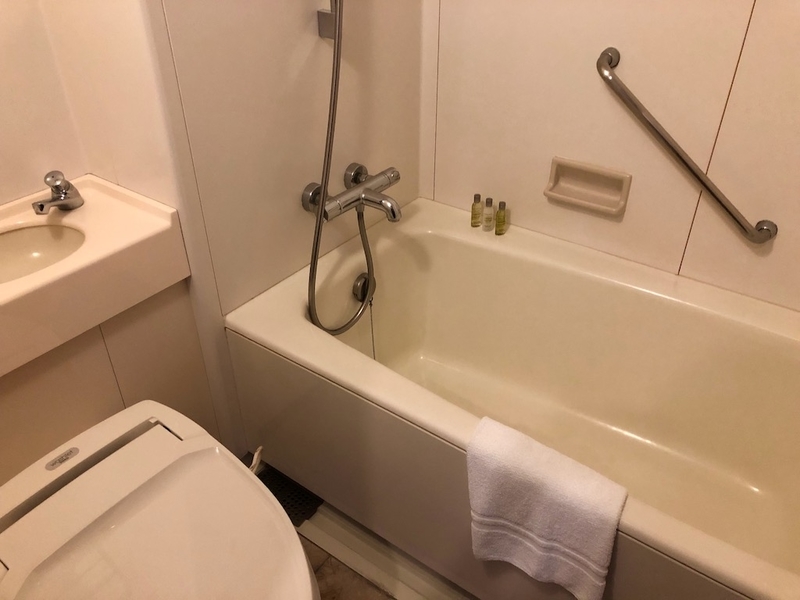
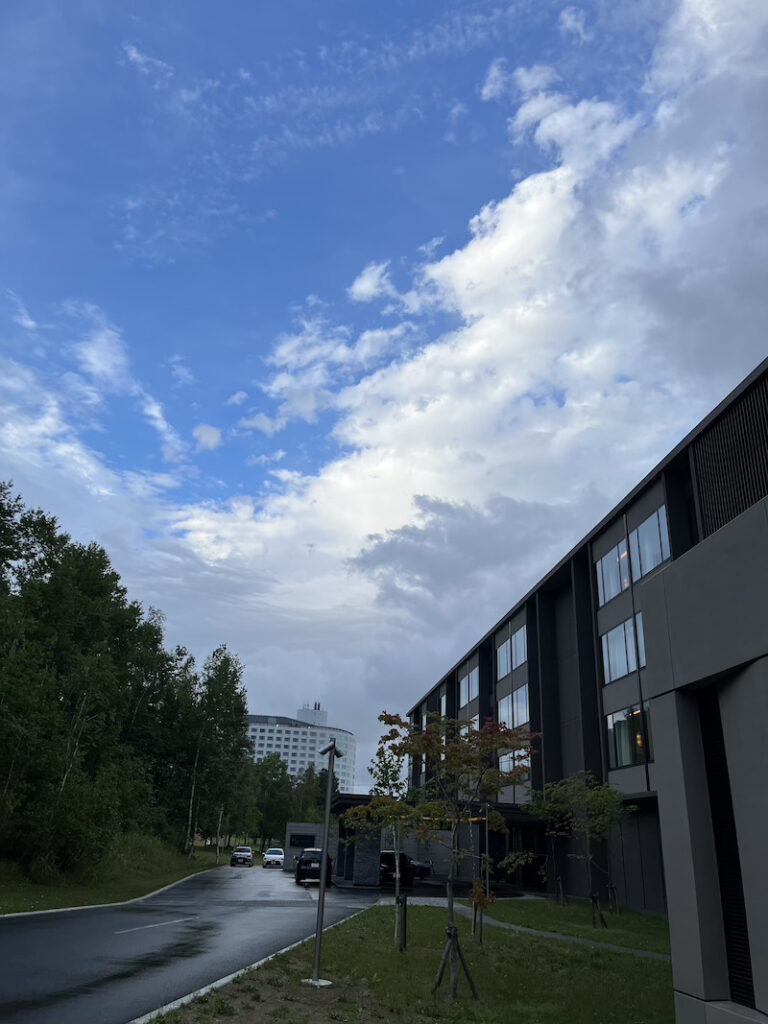
Hilton Niseko Village — the author's own stay
The stay was in June. It does not establish winter snow, a four- or seven-night price, another Niseko base, or any current room, lift, lesson or transfer contract.
ENTER YOUR OWN CHECKOUT TOTALS
Use the same group and flights, then expose every extra room night, ski day, lesson, meal and movement. No sample price is presented as your travel-date quote.
FREE 4-NIGHT / 7-NIGHT TOOL
Choose one display currency and enter amounts from matching checkout conditions. The calculator never fetches exchange rates or converts values, and it saves or sends nothing.
No trip-cost result yet. Enter at least one checked amount. Zero means “not entered”, not “free”.
Browse booking decisions without a completed calculationNothing is saved, sent or priced. Zero means “not entered”, not “included” or “free”. Confirmed hotel or airport-transfer totals replace estimates, so do not enter them twice. Use totals matched for dates, rooms, guests, lessons, lift, gear, transport, tax and cancellation.
THREE OWNED RECORDS / TWO SEPARATE NISEKO STAYS
The source cards and eight photographs belong to the author's original Japanese records. They are not stock room examples and do not prove the current conditions of every linked hotel or product.
The stay was in June. It does not establish winter snow, a four- or seven-night price, another Niseko base, or any current room, lift, lesson or transfer contract.
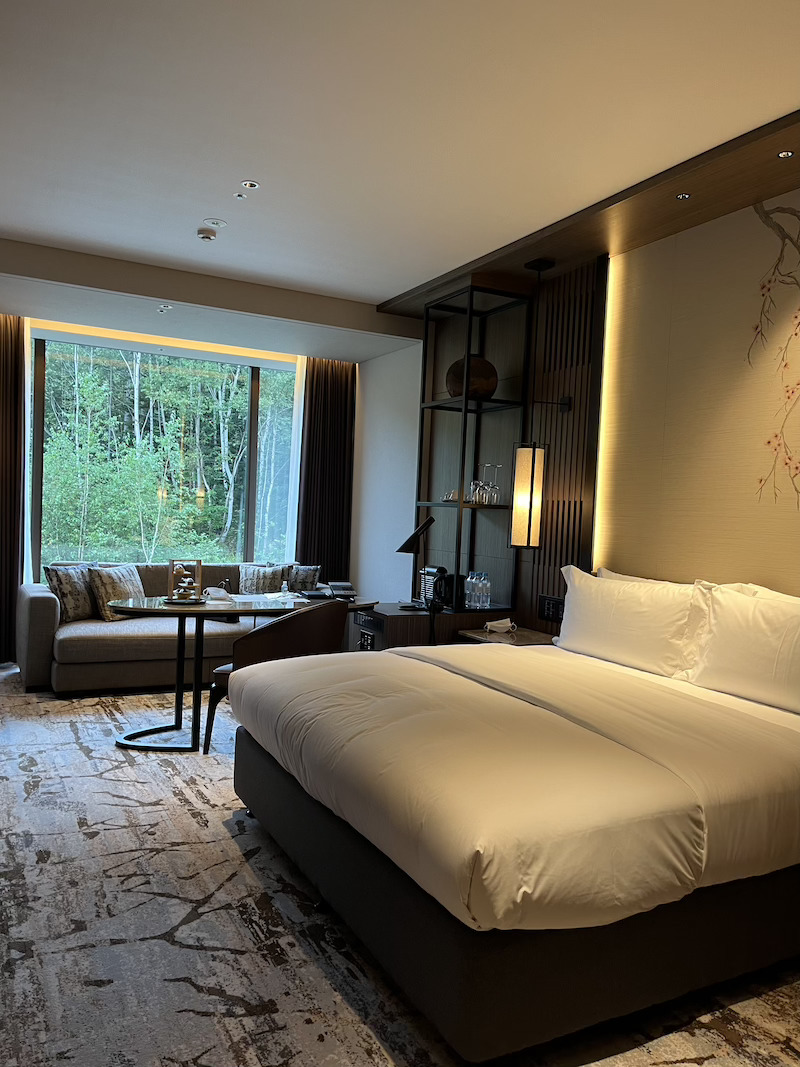
This was a different trip and property. It cannot be compared with the Hilton stay as though the date, season, room and price were equal.
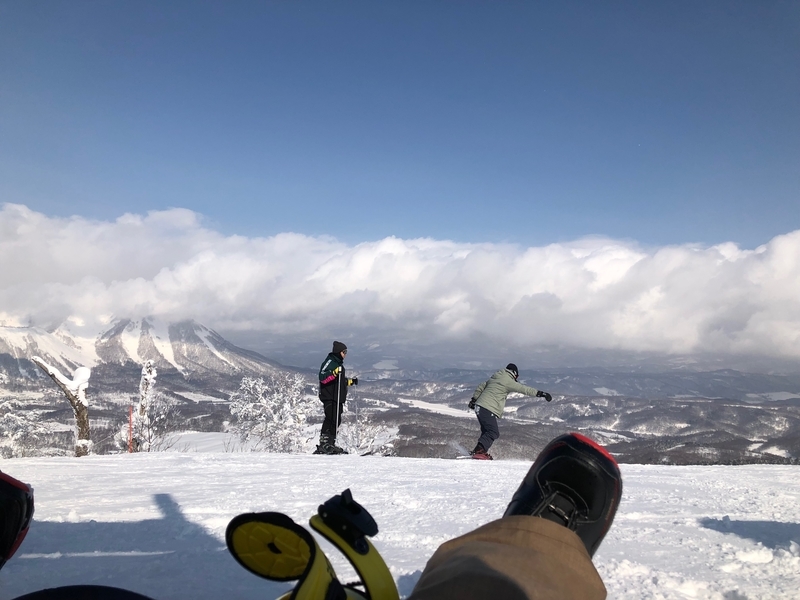
It establishes real ski and equipment context, not use of the linked English lesson, airport transfer, lift product or your travel-date conditions.
Four nights can work when the group accepts a compact trip: one arrival movement, three realistic ski days, and a departure day that is not treated as another full mountain day. It leaves less room for a delayed flight, tired legs or poor visibility, so every paid day needs to fit the actual timetable.
Seven nights can create five ski days plus recovery or weather space, but only when the extra room nights, food and local movement still fit the budget. The longer plan is not automatically better value. Enter both plans below and keep the one your whole group can pay for and use.
The author stayed at Hilton Niseko Village and Higashiyama Niseko Village, a Ritz-Carlton Reserve, on separate trips. She also has her own Hokkaido ski and equipment record. Those experiences help identify the practical weight of rooms, gear, meals and movement without pretending that two different stays had equal dates or conditions.
The author did not run a controlled four-night-versus-seven-night booking, did not use every hotel in the linked comparisons, and did not use the specific English transfer or lesson products as a complete package. The photographs establish only the place and experience named in each caption.
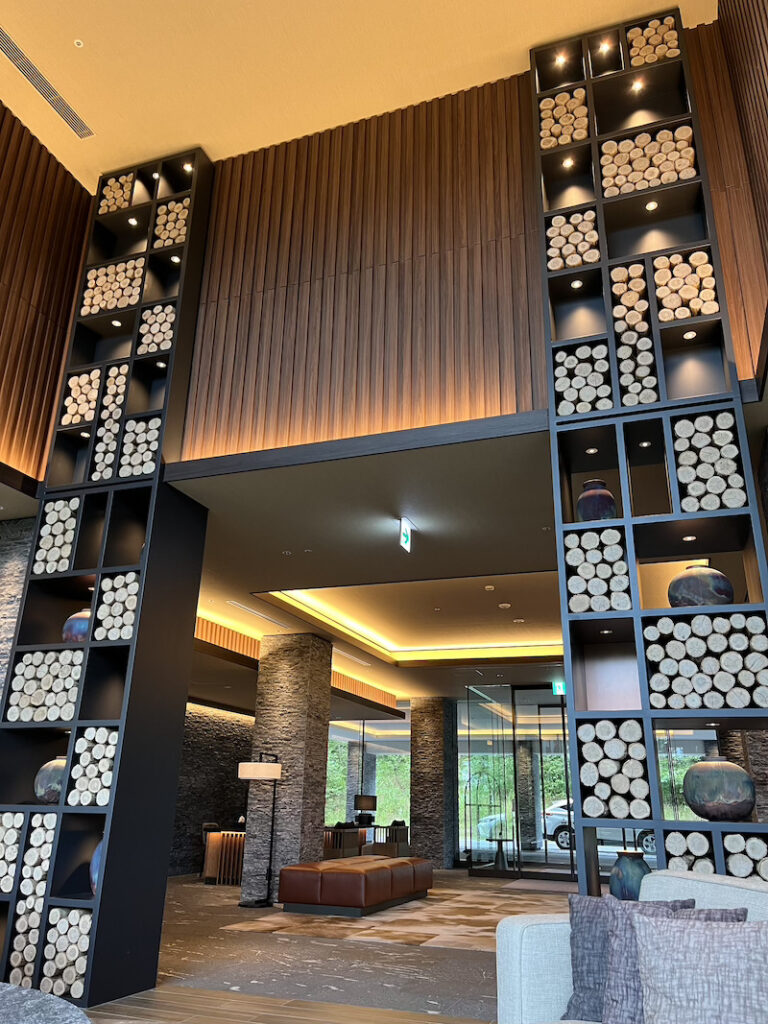
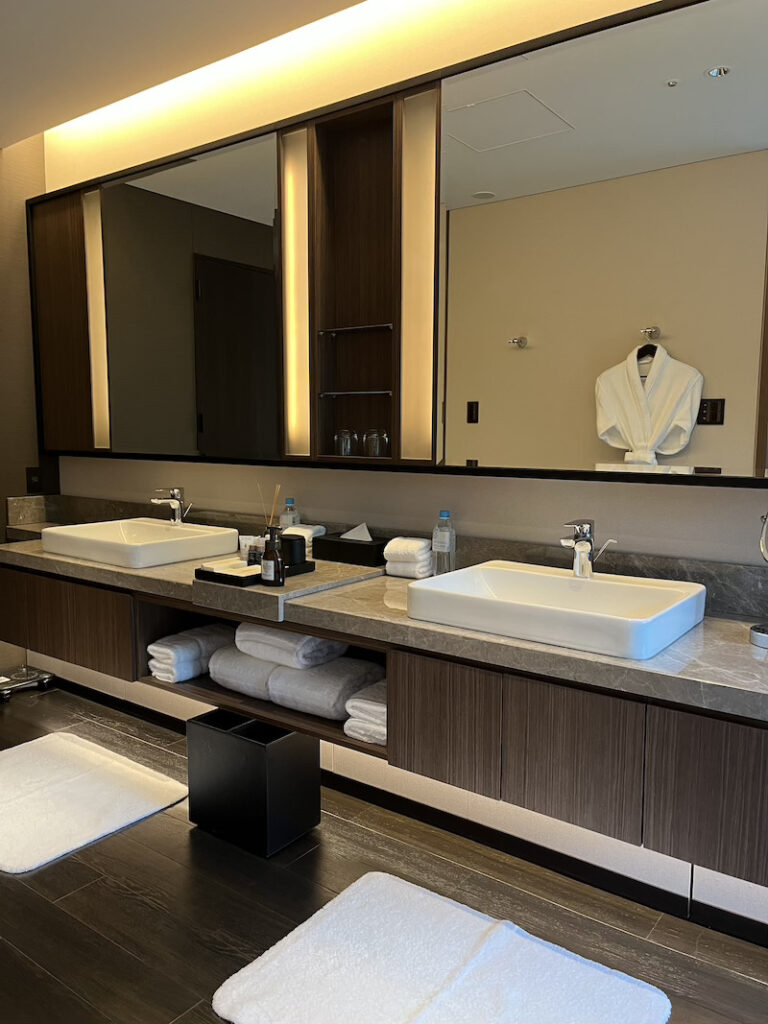
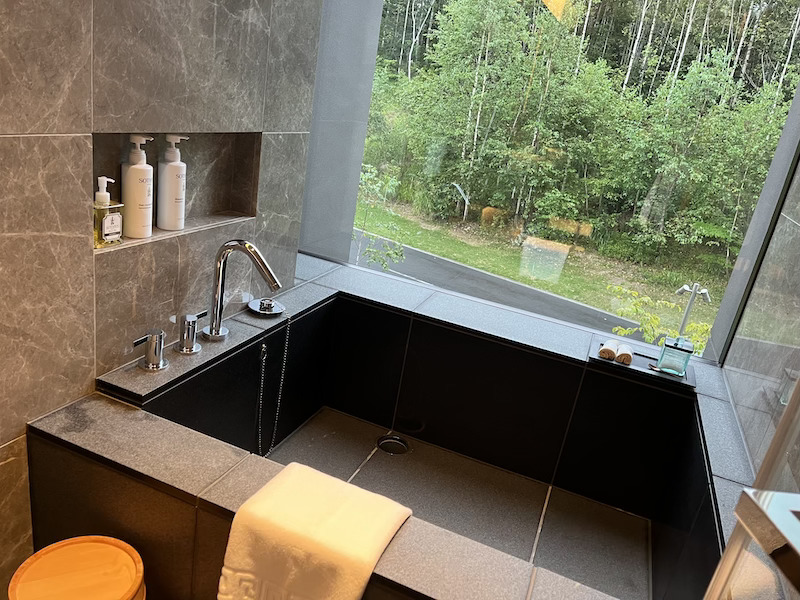
A fair comparison starts with the same travellers, real child ages, room count and return flights. If one plan silently uses a smaller room, fewer guests or a different flight, the difference is no longer the cost of three extra nights. It is a different trip.
Enter the shared fields once. Then place each plan's complete hotel rate, ski days and lesson days on its own side. If the seven-night dates force a different flight, record the true flight difference in the seven-night buffer instead of hiding it.
Arrival, equipment fitting, weather and departure can remove hours from the mountain. A five-day trip does not automatically contain five usable ski days, and an eight-day trip does not automatically contain eight. Set the ski-day fields to the days you can actually reach the chosen resort and use the pass.
Lift access and gear are multiplied only by those ski days. If a package includes one of them for a limited lesson window, do not enter the same charge again. If resort coverage or validity differs, compare the complete applicable product rather than one advertised daily figure.
Use the same complete room name, occupancy, bed, meal and cancellation conditions within each plan. For an estimate, enter the per-room, per-night amount and let the calculator multiply it by rooms and nights. Once checkout shows one total for all rooms and nights, enter that in the confirmed-total field so it replaces the estimate. A starting price or search-card teaser is not the amount to enter.
Niseko lodging taxes and other charges depend on the property's real address and the selected rate. Do not assume that a property labelled Niseko sits in the same municipality as another. Enter taxes that are not already absorbed by checkout in the final buffer.
A lesson name does not automatically include equipment or a lift pass. Match the discipline, duration, language, group size, resort, meeting point and every inclusion before copying the amount. For a group-priced lesson, use the group field rather than multiplying it by travellers again.
Gear can mean skis or board only, or a wider set with boots, poles, helmet and clothing. Lift access can cover one area, selected hours or a wider pass. Keep the fields separate until the selected contract proves an inclusion, then enter zero only for the line genuinely absorbed elsewhere.
Use the shared airport-transfer estimate only when the same complete arrival-plus-departure total can represent both durations. A scheduled shuttle seat and a private vehicle are different contracts: stops, waiting, luggage, child seats, flight matching and cancellation can change the usable total.
Do not count a hotel shuttle, airport bus or private transfer until the real direction, date, passengers, bags and equipment are accepted. If four and seven nights require different departure dates, services or vehicles, enter each plan's complete confirmed arrival-plus-departure total so it replaces the shared estimate instead of hiding the difference in the buffer.
Food is calculated across trip days, not just nights. Remove breakfast only when the selected room rate confirms it, and do not count dinner twice when it is already in the room contract. A rest day still has meals and local movement even when lift and gear entries are zero.
Seven nights may spread fixed flights and airport transport across more days, yet it also creates three additional room nights and four additional trip days in this comparison. The result panel shows the total difference and the per-person difference; it does not call either option cheap.
Keep four nights when arrival and departure still fit, the group accepts fewer weather alternatives, and the exact room, transfer and lesson are bookable on the matching dates. It is the stronger plan when extra nights would force the group to weaken the room, drop insurance or ignore recovery.
Do not compress five intended ski days into a four-night plan merely to lower the displayed total. Reduce the ski days honestly, or move to seven nights. A smaller accurate plan is more useful than a low total built from impossible timing.
Keep seven nights when the additional total buys usable ski days, recovery, weather flexibility or time that the group values more than the difference shown. Recheck the longer hotel's cancellation and payment timing because a larger reservation also increases the amount exposed to change.
After the duration wins, continue in order: choose one Niseko base, one complete room, one airport movement and only the lessons or gear still missing. Cancel duplicate holds under their own rules. The calculator is the comparison sheet, not a reservation or availability guarantee.
ONE DECISION AT A TIME
These are ordinary internal editorial links. The destination guides disclose their own affiliate links before any external booking button.
COST PLANNER FAQ